

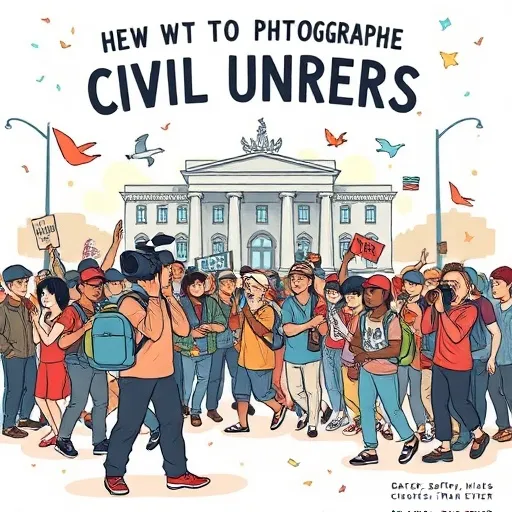
Capturing civil unre
Why Safety Training Matters More Than Ever
If you're figuring out how to photograph civil unrest safely, the first thing you need to understand is that this isn't like any other kind of photography. A protest or demonstration is a living, breathing, unpredictable beast. Conditions can flip in seconds — one moment it's a peaceful march, the next there's tear gas in the air and rubber bullets flying. A veteran photojournalist once told me that the single biggest mistake newcomers make is treating a protest like a portrait session. It's not. Not even close. Understanding how to photograph civil unrest safely starts with rewiring your brain to expect chaos, not cooperation.
Here's a stat that should get your attention: according to safety guidelines updated by leading press freedom organizations in 2025, the number of journalists injured while covering demonstrations has climbed sharply over the past three years. Many of those injuries were completely preventable. The common thread running through almost all of them? A lack of preparation. If you're serious about how to photograph civil unrest safely, preparation isn't a nice-to-have — it's your lifeline.
Hostile Environment Training, First Aid Courses, and Real-World Survival Skills for Protest Coverage
If you genuinely care about how to photograph civil unrest safely, sign up for a hostile environment and first aid course. Seriously. Several well-known training providers offer online modules built specifically for protest coverage. You'll learn how to treat a bleed, recognize the signs of tear gas exposure, and identify the sound of a rubber bullet leaving its launcher. These skills aren't optional extras — they're the foundation. Knowing how to photograph civil unrest safely means knowing what to do when things go wrong, not just where to point your camera.
Choosing the Right Camera Gear, Protective Equipment, and Communication Tools for Dangerous Assignments
When it comes to gear, there's a real trade-off. A professional DSLR or mirrorless setup delivers amazing image quality and fast autofocus. But it also screams "press," which can make you a target for aggressive crowd members and law enforcement alike. A compact camera or high-end smartphone gives you way more discretion. Plenty of award-winning images in recent years were shot on phones. The key to how to photograph civil unrest safely is matching your kit to the specific event. Daytime permitted march? A full kit might be fine. Evening flashpoint with heavy police presence? Think twice.
Protective equipment is non-negotiable if you want to learn how to photograph civil unrest safely:
- Impact-resistant goggles: Not sunglasses. Proper sealed goggles protect against tear gas, pepper spray, and flying debris.
- Respirator or N95 mask: Shields against smoke and chemical irritants. Keep a spare in a sealed bag.
- Helmet: A climbing or skate helmet can be a lifesaver when projectiles start flying. Some photographers wear them under a hoodie to stay low-profile.
- Gloves: Cut-resistant, snug-fitting gloves protect your hands without killing dexterity.
- Sturdy footwear: You may need to run. Sandals are out.
One seasoned documentary photographer told me the most important piece of gear he carries isn't a lens — it's a small first aid kit with a tourniquet, gauze, and saline eye wash. Keep it on your body, not in a bag you might drop. That's a core lesson in how to photograph civil unrest safely.
Power and storage matter too. Bring more batteries and memory cards than you think you need. Civil unrest can last for hours. A portable power bank is essential for phone-based shooters. For communication, use a secure messaging application with end-to-end encryption. Share your live location with a trusted contact. Set a check-in schedule — every 30 minutes — and stick to it. If you miss two check-ins, your contact should have a plan. These habits are just as important as any camera setting when you're thinking about how to photograph civil unrest safely.
Crowd Positioning, Exit Routes, and Staying Mobile During Chaotic Demonstrations
Where you stand is often more important than what camera you carry. The center of a crowd is where pressure builds, where surges happen, and where it's hardest to exit. Work the periphery. You'll get cleaner sightlines and an escape route. When protesters and law enforcement face off, the space between them is the most dangerous zone. Don't stand there. Position yourself to the side, ideally behind a solid barrier or at an elevated angle. This is basic situational awareness, and it's central to how to photograph civil unrest safely.
Before you raise your camera, scan the environment. Where are the side streets? Where are the alleys? Which direction is downhill, where chemical agents tend to flow? This habit takes ten seconds and can save your life. Anyone serious about how to photograph civil unrest safely does this automatically.
Legal Rights, Law Enforcement Interactions, and Protecting Your Equipment During Arrests
Laws vary, but in many countries, photographing in public spaces is a protected activity. That said, reality on the ground can be different. A long-time attorney who works with media organizations advises photographers to carry identification, never argue with law enforcement, comply first and challenge later through legal channels, and record interactions if it's safe — but don't make yourself the story. If your equipment is seized, don't physically resist. Note the officer's identifying details and contact a legal aid organization afterward. Several well-known civil liberties groups maintain hotlines for exactly this situation. Knowing your rights is a huge part of how to photograph civil unrest safely.
Chemical Agents, Tear Gas Exposure, Pepper Spray Treatment, and Flash Bang Response
Tear gas, pepper spray, and other irritants are common at protests. If you're exposed to tear gas, move upwind and to higher ground — it's heavier than air and settles in low areas. Flush your eyes with saline or clean water. Don't rub. Remove contaminated clothing ASAP. For pepper spray, blink rapidly and flush with water. A diluted antacid solution can help neutralize the burn on skin. Avoid oil-based products. For flash bangs, turn away, cover your ears, and protect your eyes with your forearm or goggles. Move away calmly. A veteran field producer recommends carrying a small bottle of liquid antacid and sealed wet wipes in a zippered pocket. She's used both more times than she can count. This kind of practical knowledge is what separates people who know how to photograph civil unrest safely from those who just wing it.
Ethical Responsibilities, Consent, and Dignity When Documenting Vulnerable People
Safety isn't just physical — it's ethical. When you photograph people in vulnerable moments, you have a responsibility. Ask yourself: does this image tell a story that serves the public interest? Could publishing it put someone in danger? Have I obtained consent where possible? Am I treating the people I photograph with dignity? A respected documentary photographer put it simply: "If you wouldn't want the image of yourself in that moment published, think twice." Ethics and how to photograph civil unrest safely go hand in hand.
Post-Event File Backup, Mental Health Resources, and Peer Support for Visual Journalists
Once you're out of the field, take care of yourself. Back up your files immediately — ideally to two separate locations. Write down your observations while they're fresh. Check in with a friend or colleague. The psychological toll is real. Covering violence and chaos repeatedly can lead to burnout or trauma. Many media organizations now offer confidential counseling. If yours doesn't, seek out peer support networks. A number of well-known press freedom foundations maintain mental health resources for visual journalists.
Photographing civil unrest is a privilege and a responsibility. The images you capture can shape public understanding, hold power accountable, and preserve history. But none of that matters if you don't come home safe. Prepare your gear. Train your body and mind. Know the law. Watch your positioning. And never let the pursuit of the shot override your instinct for self-preservation. Mastering how to photograph civil unrest safely isn't about being fearless — it's about being smart. The story will still be there tomorrow. Make sure you are too.